Introduction
Buying a home is not just about finding the perfect property. It is about choosing a place where your lifestyle, finances, and long term goals align. For many buyers, Ohio has become an increasingly attractive option due to its affordability and balanced quality of life. But before making a decision, one question naturally comes up: what is the real cost of living in Ohio for new home buyers?
Ohio offers a unique combination of lower housing prices, reasonable living expenses, and strong community growth. Compared to many other states, especially those on the coasts, buyers can often get more space and better value for their money. However, understanding the full cost of living requires looking beyond just the price of a home. From taxes to utilities and everyday expenses, every detail matters when planning a successful home purchase.
Housing Costs in Ohio

When evaluating the cost of living in Ohio for new home buyers, housing is the most significant factor. Ohio is widely known for its affordability, with home prices generally lower than the national average. In many cases, buyers can find properties that cost twenty to thirty percent less than similar homes in more expensive states. This creates an opportunity for buyers to either reduce their financial burden or invest in larger or better located homes.
Cities such as Columbus, Cincinnati, and Cleveland offer a range of housing options, from urban apartments to suburban family homes. Suburban areas, in particular, often provide excellent value, offering more space at a lower price. This affordability makes Ohio especially appealing for first time buyers and investors looking to enter the real estate market.
Property Taxes in Ohio
While home prices are relatively affordable, property taxes are an important part of the overall financial picture. Ohio’s property tax rates typically range from about 1.3 percent to 2.0 percent of a home’s value annually. For example, a home priced at 250,000 dollars could result in yearly property taxes between 3,250 and 5,000 dollars.
Although this may seem higher than in some states, these taxes contribute to essential services such as public schools, infrastructure, and community development. For buyers, understanding these costs is essential when calculating monthly housing expenses and long term affordability.
Utility Costs and Monthly Expenses
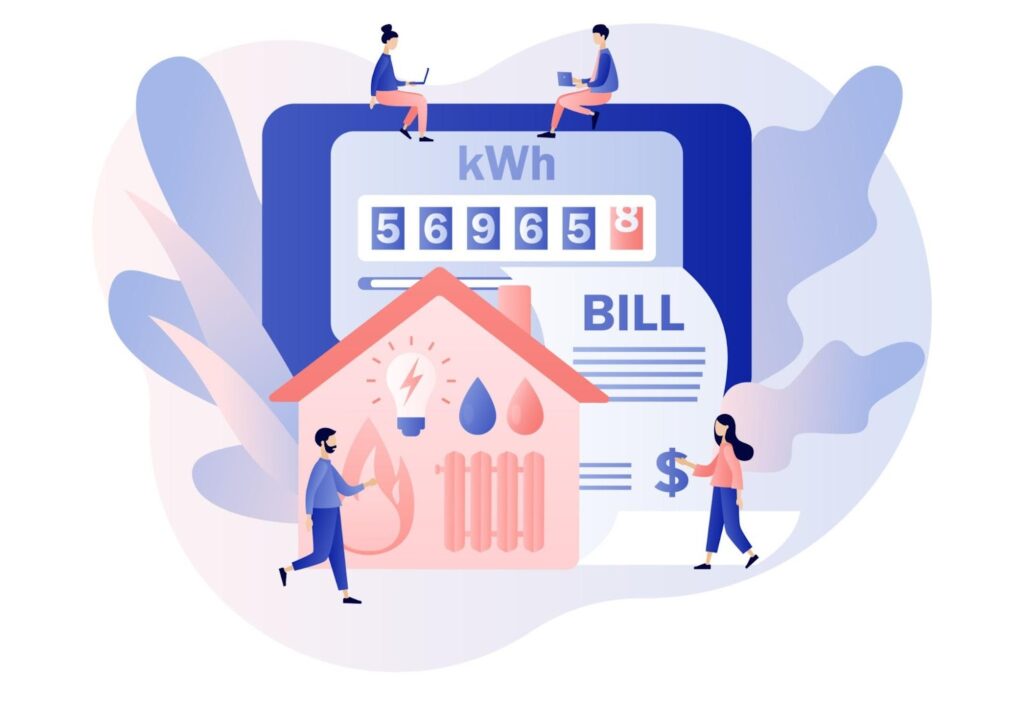
Another key part of the cost of living in Ohio for new home buyers is monthly utility expenses. Ohio experiences all four seasons, which means heating costs can increase during colder months, while summer months may bring higher cooling expenses.
On average, homeowners may spend between 150 and 250 dollars per month on electricity and heating, while water and sewer costs can range from 50 to 100 dollars. Internet and cable services typically add another 60 to 120 dollars. While these costs are generally manageable, choosing an energy efficient home can significantly reduce monthly expenses over time.
Transportation and Everyday Living Costs
Beyond housing and utilities, Ohio offers relatively affordable everyday living expenses. Transportation costs are often lower than in major metropolitan areas, thanks to shorter commute times and less traffic congestion. Fuel prices and vehicle maintenance costs also tend to be moderate.
Groceries, healthcare, and other daily necessities are generally more affordable compared to national averages. This overall affordability allows residents to maintain a comfortable lifestyle without the financial pressure often found in higher cost regions. For families and first time buyers, this can make a meaningful difference in long term financial stability.
Cost Differences Across Ohio Cities

The cost of living in Ohio for new home buyers can vary depending on the city. Columbus, for example, has seen strong growth in recent years, leading to slightly higher housing costs compared to other parts of the state. However, it also offers a strong job market and economic opportunities.
Cincinnati strikes a balance between affordability and growth, making it attractive for both families and investors. Cleveland is often known for its lower home prices, providing opportunities for first time buyers to enter the market with less upfront investment. Dayton offers some of the most affordable housing options in Ohio, making it ideal for buyers working with a tighter budget.
Is Ohio a Good Place to Buy a Home
Ohio continues to stand out as a strong option for home buyers due to its affordability and stability. The state offers lower home prices, steady real estate demand, and growing economic opportunities in key cities. For investors, the rental market in many areas remains strong, providing opportunities for consistent income.
For buyers looking to balance cost and quality of life, Ohio presents a practical and attractive option. Whether purchasing a primary residence or an investment property, the state offers long term value and potential growth.
Expert Tips for New Home Buyers

Preparing to buy a home in Ohio requires a clear understanding of both upfront and ongoing costs. Buyers should take time to research local markets, compare property values, and calculate total expenses before making a decision. Getting pre approved for a mortgage can also provide clarity on budget and improve confidence during the buying process.
Working with experienced real estate professionals can make a significant difference. Local experts understand neighborhood trends, pricing patterns, and hidden costs that buyers may overlook. Their guidance can help you find properties that align with your financial goals while avoiding costly mistakes.
Common Mistakes Buyers Should Avoid
Many buyers focus only on home prices and overlook other important expenses. Ignoring property taxes, underestimating utility costs, or failing to budget for maintenance can lead to financial strain after purchasing a home. Some buyers also choose locations without fully understanding local market trends, which can affect long term value.
Avoiding these mistakes requires careful planning and a realistic understanding of the total cost of living. Taking the time to evaluate all expenses ensures a smoother and more sustainable homeownership experience.
Conclusion
The cost of living in Ohio for new home buyers is one of the main reasons the state continues to attract attention from both homeowners and investors. With affordable housing, manageable living expenses, and growing opportunities, Ohio offers a strong foundation for long term financial stability.
However, the key to success lies in preparation. By understanding all associated costs, from property taxes to utilities and daily expenses, buyers can make informed decisions and avoid unexpected financial challenges.
If you are considering buying a home in Ohio, exploring your options and working with experienced professionals can help you move forward with confidence and find the right property for your future.