Is Cleveland actually a good place to live and invest in real estate?

When people think about moving to Cleveland, the opinions are usually mixed. Some see it as an affordable city full of opportunity, while others focus on the cold winters or older housing market. The truth is that Cleveland has both strengths and challenges, and understanding both sides is what helps buyers and investors make smart decisions.
Over the last few years, Cleveland has quietly become one of the more interesting real estate markets in the Midwest. Home prices are still more affordable than many major US cities, rental demand remains steady in key areas, and redevelopment projects continue reshaping parts of the city. For buyers looking to build long term value without stretching their finances too far, Cleveland deserves serious attention.
Many people who originally searched for homes for sale in cincinnati ohio or explored cincinnati homes for sale are now widening their search into Cleveland because the market offers lower entry prices and strong investment potential. Buyers who understand how to approach the market strategically often find opportunities here that are difficult to find in more expensive cities.
At Prosper Capital, the focus is not simply on helping people purchase property. The goal is to help buyers and investors make decisions that create long term financial growth and stability through real estate.
One of Cleveland’s biggest advantages is affordability
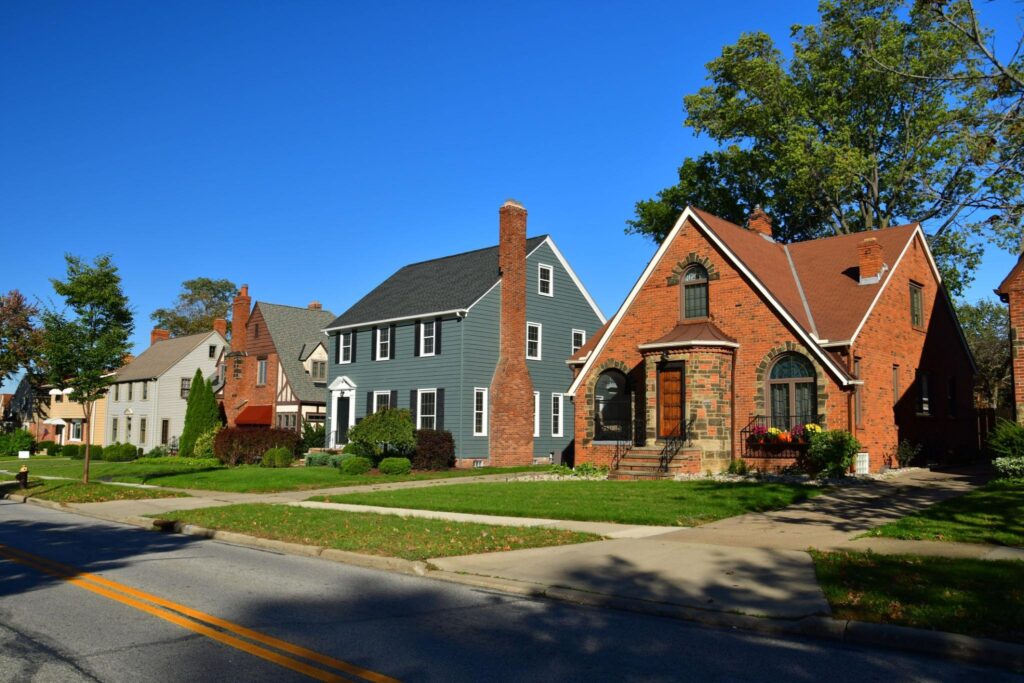
One of the strongest reasons people move to Cleveland is the cost of housing. Compared to many cities across the United States, Cleveland remains relatively affordable for both first time buyers and investors.
In several neighborhoods, buyers can still find quality homes below the national average price point. While many markets across the country have become difficult for middle income buyers, Cleveland still provides opportunities to own property without taking on overwhelming monthly payments.
This affordability becomes especially important for younger families, remote workers, and first time investors trying to enter the market. Instead of spending years renting, buyers in Cleveland often have the opportunity to begin building equity much earlier.
For investors, lower purchase prices can also create stronger cash flow opportunities. Rental income in certain neighborhoods may cover mortgage expenses more comfortably than in high priced cities where returns are tighter.
Cleveland’s economy continues to create stability
The city’s economy is another important reason buyers continue entering the market. Cleveland is home to major healthcare and education institutions, including Cleveland Clinic and Case Western Reserve University. These organizations attract professionals, students, and medical workers from around the country.
A stable job market matters because it directly supports housing demand. Areas near hospitals, universities, and downtown business centers often maintain stronger property values and rental demand even during slower economic periods.
Over the last decade, Cleveland has also invested heavily in redevelopment projects, entertainment districts, restaurants, and waterfront improvements. Some neighborhoods that once struggled economically are now attracting younger professionals and investors looking for long term appreciation opportunities.
The lower cost of living gives buyers more flexibility

Compared to cities like New York, Los Angeles, Seattle, or Chicago, Cleveland offers a far lower cost of living. Housing costs, transportation expenses, and daily living costs remain more manageable than many larger metro areas.
This allows buyers to keep more financial flexibility after purchasing a property. Instead of becoming financially stretched, homeowners often have room in their budget for savings, investments, renovations, or future property purchases.
Here is a simple comparison of housing and living costs:
| City | Median Home Price | Average Rent | Cost of Living |
| Cleveland | Around $220,000 | Around $1,300 | Below national average |
| Chicago | Around $360,000 | Around $2,100 | Higher than average |
| Denver | Around $590,000 | Around $2,400 | Much higher |
| New York City | $750,000+ | $4,000+ | Extremely high |
This affordability is one reason many renters searching for houses for rent in cincinnati ohio or a house for rent cincinnati ohio eventually begin considering ownership opportunities in Cleveland instead.
Cleveland’s rental market still offers opportunity
Rental demand remains strong in many parts of Cleveland, especially near healthcare centers, universities, and downtown areas. Young professionals, students, and relocating workers continue driving demand for apartments and rental homes throughout the city.
For investors, this creates opportunities to generate consistent rental income while also benefiting from long term property appreciation. Duplexes, multifamily properties, and renovated single family homes often perform well when located near employment centers.
At the same time, investors still need to choose neighborhoods carefully. Not every part of Cleveland performs equally, and understanding local market conditions is essential before purchasing rental property.
Cleveland winters can be challenging for some buyers
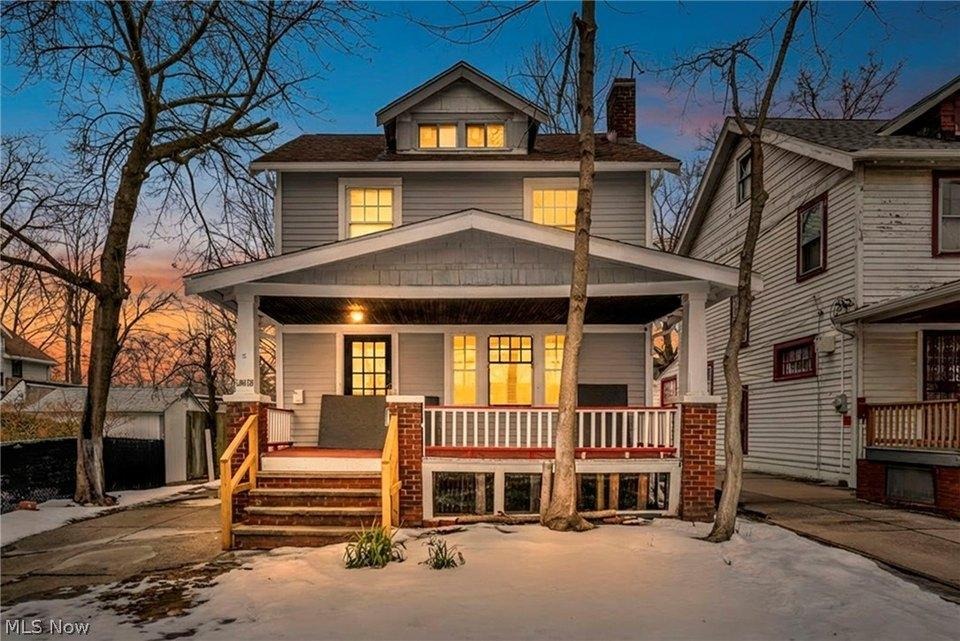
One of the biggest drawbacks of living in Cleveland is the weather. Winters are cold, snowy, and heavily influenced by Lake Erie. Snowfall can be intense during certain months, especially in neighborhoods affected by lake effect snow.
For people relocating from warmer states, adjusting to Cleveland winters can take time. Heating costs rise during colder months, and snow removal becomes a regular responsibility for homeowners.
However, longtime residents often view winter as manageable with proper preparation. Reliable transportation, proper home insulation, and seasonal maintenance make a major difference.
While the weather may not appeal to everyone, many buyers accept this tradeoff because of the affordability and investment opportunities the city provides.
Older homes can create hidden repair costs
Another challenge buyers should understand is the age of many Cleveland properties. Some neighborhoods contain beautiful historic homes with strong character, but older houses can also come with expensive maintenance issues.
Problems such as aging roofs, outdated plumbing, electrical systems, or foundation repairs are more common in older housing stock. Buyers who skip inspections or underestimate repair costs may face major financial surprises later.
This is why working with experienced real estate professionals becomes important. At Prosper Capital, buyers are guided through market analysis, neighborhood evaluation, and property assessments to help reduce unnecessary risk and support smarter investment decisions.
Not every Cleveland neighborhood performs the same
One mistake many buyers make is assuming the entire city follows the same market trends. Cleveland is highly neighborhood dependent. Some areas continue seeing strong redevelopment and rising demand, while others still struggle with slower economic recovery.
Neighborhoods like Ohio City and Tremont have become especially popular among younger professionals because of restaurants, nightlife, walkability, and renovated housing options. Areas near downtown also continue attracting investors interested in rental properties and long term appreciation.
Suburban communities like Westlake, Lakewood, and Strongsville remain attractive for families looking for quieter residential environments and strong schools.
Understanding neighborhood trends is critical before buying property because location still remains one of the most important factors in real estate success.
Renting versus buying in Cleveland
Many people begin by renting because it feels more flexible. They may search for rent a house cincinnati or compare multiple Midwest rental markets before deciding where to live long term.
But in Cleveland, ownership often becomes financially attractive much faster because housing prices remain relatively affordable. In some neighborhoods, mortgage payments may not be significantly higher than monthly rent costs.
This creates an opportunity for buyers to build equity instead of continuing to spend money on rent each month. For people planning to stay several years, buying property may provide stronger financial benefits over time.
That does not mean renting is always the wrong choice. For short term residents or people still exploring neighborhoods, renting can still make sense before committing to a purchase.
Common mistakes buyers and investors should avoid
One of the most common mistakes is focusing only on cheap prices. A low priced property may look attractive at first, but if the neighborhood has weak rental demand or declining property values, the investment may struggle long term.
Another mistake is underestimating repair costs in older homes. Buyers should always budget for maintenance, inspections, and potential renovations before closing on a property.
Some investors also overestimate rental income without properly researching vacancy rates or neighborhood demand. Strong investment decisions come from careful analysis, not assumptions.
Finally, many buyers stretch their budget too far simply because they qualify for a larger loan. Smart investors prioritize financial stability and long term sustainability instead of purchasing the most expensive property possible.
Why Cleveland still attracts long term investors

Despite the challenges, Cleveland continues attracting investors because the market still offers realistic opportunities for growth. Compared to overheated markets with extremely high prices, Cleveland allows investors to enter the market with lower upfront capital.
The city’s stable healthcare sector, educational institutions, rental demand, and redevelopment projects all contribute to long term investment potential. Buyers who focus on strong neighborhoods and maintain realistic expectations often build solid portfolios over time.
This is where the mindset of “Invest in yourself. Invest with us” becomes important. Real estate is not simply about buying a house. It is about creating future financial stability through smart, well planned decisions.
At Prosper Capital, the focus is helping buyers and investors identify opportunities that align with their long term financial goals instead of chasing short term trends.
Final thoughts on living in Cleveland
Cleveland is not a perfect city, but no real estate market truly is. The city offers affordability, stable employment sectors, growing redevelopment, and realistic investment opportunities that many larger markets no longer provide.
At the same time, buyers need to approach the market carefully. Winters can be difficult, older homes require attention, and neighborhood research is essential before making any investment decision.
For home buyers, Cleveland provides a chance to own property without overwhelming costs. For investors, it offers lower entry prices and stable rental demand in the right areas.
Whether you are comparing houses for sale in cincinnati ohio, exploring Midwest rental markets, or looking for your next investment opportunity, Cleveland deserves serious consideration.
The smartest buyers focus on long term value instead of short term hype. That is how sustainable wealth is built through real estate.
And that journey always starts with one smart decision.
Invest in yourself. Invest with us.
Frequently Asked Questions
Is Cleveland a good place to invest in property?
Yes, Cleveland offers relatively affordable entry prices and stable rental demand, especially near healthcare and university districts.
What is the average home price in Cleveland?
Home prices vary by neighborhood, but many properties still remain below the national average, often around 220,000 dollars.
Is Cleveland expensive to live in?
Compared to many large US cities, Cleveland has a lower cost of living, especially when it comes to housing and transportation.
Which Cleveland neighborhoods are best for families?
Suburbs like Westlake, Lakewood, and Strongsville are popular among families because of schools, safety, and residential communities.
Is it better to rent or buy in Cleveland?
For people planning to stay long term, buying often creates more financial value because monthly mortgage costs can be close to rental prices while building equity over time.
Why are investors interested in Cleveland now?
Investors are attracted by affordability, rental demand, redevelopment projects, and the city’s stable healthcare and education sectors.