Why Can Two Similar Homes Have Completely Different Property Tax Bills?
Imagine purchasing a beautiful $400,000 home in one state and paying less than $2,000 a year in property taxes, while another homeowner with a nearly identical property pays more than $8,000 annually. This is a reality across the United States, and it often surprises first time homebuyers and even experienced investors.
Property taxes are one of the most important expenses associated with owning real estate, yet many buyers focus primarily on purchase price and mortgage payments. Understanding how property taxes work can help you avoid unexpected costs, compare markets more effectively, and make smarter investment decisions.
Whether you are purchasing a primary residence, building a rental portfolio, or exploring opportunities in growing markets such as Ohio, understanding local tax structures is essential. Successful investors know that informed decisions create better long term results. That is why many experienced professionals follow a simple principle: Invest in yourself. Invest with us.
Understanding What Property Taxes Actually Are

Property taxes are recurring taxes levied by local governments on real estate. These taxes help fund essential community services such as public schools, police and fire departments, road maintenance, libraries, parks, and public infrastructure.
Unlike federal income taxes, property taxes are largely controlled at the local level. This means rates can vary dramatically not only between states but also between counties, cities, and school districts within the same state.
The amount you pay is generally based on the assessed value of your property and the local tax rate. When property values rise or local governments require additional funding, property tax bills often increase as well. For homeowners and investors, this makes property taxes a significant factor in the total cost of ownership.
How Property Taxes Are Calculated
Although the process varies slightly from state to state, the basic formula remains fairly simple. Local tax authorities determine the assessed value of a property and apply a tax rate to calculate the annual tax obligation.
For example, if a home is valued at $300,000 and the local effective property tax rate is 1.5 percent, the annual property tax bill would be approximately $4,500. However, some states assess properties at less than full market value, while others offer exemptions that can reduce the taxable amount.
This is why two homes with identical market values can generate very different tax bills. Buyers who fail to consider these differences often underestimate their true housing costs.
Property Tax Rates Across Different States

One of the most interesting aspects of the American real estate market is the wide variation in property tax rates. Some states rely heavily on property taxes to fund public services, while others generate more revenue through income taxes or sales taxes.
| State | Average Effective Property Tax Rate | Estimated Tax on a $300,000 Home |
| New Jersey | 2.23% | $6,690 |
| Illinois | 2.07% | $6,210 |
| Texas | 1.68% | $5,040 |
| Ohio | 1.57% | $4,710 |
| Florida | 0.89% | $2,670 |
| Georgia | 0.87% | $2,610 |
| California | 0.71% | $2,130 |
| Hawaii | 0.27% | $810 |
The difference between the highest and lowest tax states can amount to thousands of dollars every year. Over a decade of ownership, that difference can significantly impact affordability and investment returns.
Visualizing the Impact of Property Taxes
When evaluating a property, buyers should always compare total ownership costs rather than focusing solely on the purchase price. A lower priced home with extremely high taxes may actually cost more over time than a more expensive property in a lower tax market.
For investors, this difference can directly affect cash flow. Every dollar spent on taxes reduces the amount of income available from rental properties.
High Tax States Versus Low Tax States

States with higher property taxes often provide strong public services, highly rated school systems, and well maintained infrastructure. New Jersey and Illinois are common examples where residents pay higher taxes but often benefit from extensive local services.
On the other hand, states such as Hawaii, Alabama, and parts of Colorado maintain relatively low property tax burdens. These markets can be attractive for investors looking to maximize monthly cash flow.
However, lower taxes alone should not drive an investment decision. A market’s economic growth, employment opportunities, population trends, and housing demand are equally important factors. The most successful investors balance tax considerations with broader market fundamentals.
How Property Taxes Affect Real Estate Investors
For real estate investors, property taxes are far more than a simple annual expense. They directly influence profitability, rental pricing strategies, and long term return on investment.
Consider two rental properties that each generate $2,500 in monthly rent. If one property has annual taxes of $2,500 and another has annual taxes of $6,500, the difference in cash flow becomes substantial over time. That additional expense could reduce profitability by thousands of dollars each year.
This is particularly important for investors building portfolios across multiple states. Markets with moderate taxes and strong rental demand often provide a better balance between affordability and long term returns.
Why Ohio Continues to Attract Buyers and Investors
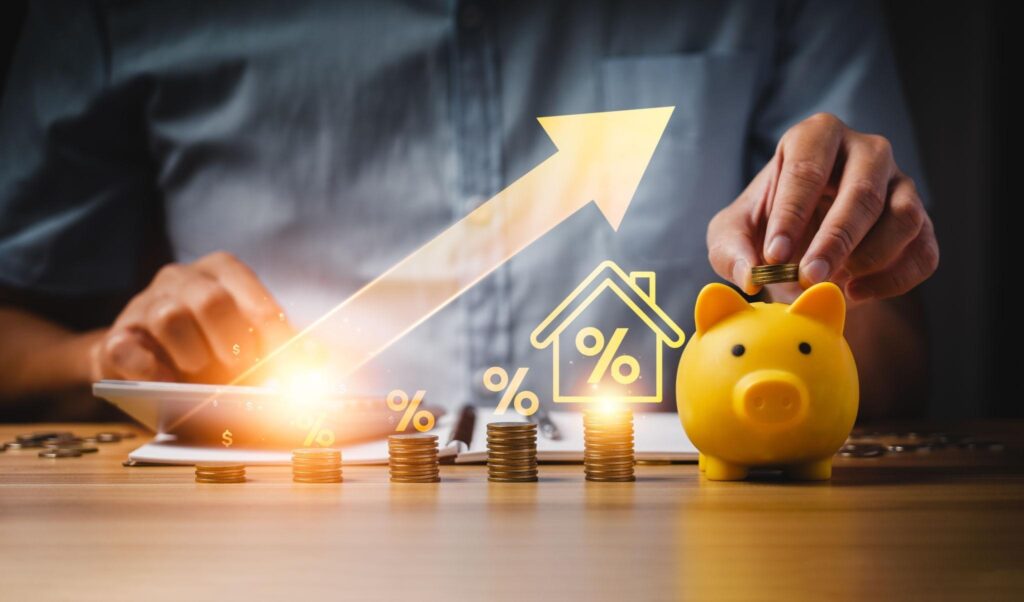
Ohio has emerged as one of the most attractive real estate markets in the Midwest. While property taxes are not the lowest in the country, they remain manageable compared to many coastal markets. Combined with affordable housing prices and a strong economy, Ohio continues to draw both homeowners and investors.
Many buyers researching homes for sale in cincinnati ohio quickly discover that the city’s affordability remains one of its strongest advantages. Compared to major metropolitan areas on the East and West Coasts, Cincinnati offers attractive home prices while maintaining access to employment opportunities, healthcare, education, and cultural amenities.
Likewise, individuals searching for cincinnati homes for sale often compare property tax obligations alongside mortgage costs to determine overall affordability. Understanding these expenses upfront helps buyers make more informed decisions and avoid future surprises.
Is Columbus a Good Place to Invest in Property?
Columbus has become one of the fastest growing real estate markets in the Midwest. The city continues to benefit from population growth, business expansion, and a diversified economy supported by healthcare, education, technology, and logistics sectors.
From an investment perspective, Columbus offers a compelling combination of affordability and growth potential. Property values have appreciated steadily over the past decade while remaining accessible compared to larger national markets.
Investors evaluating opportunities in Ohio often compare Columbus with Cincinnati. While those exploring houses for sale in cincinnati ohio may be drawn to the city’s established neighborhoods and rental demand, Columbus attracts investors looking for long term growth fueled by economic expansion.
The city’s strong employment base and increasing population continue to support demand for both owner occupied and rental housing. As a result, many investors view Columbus as one of the most promising real estate markets in the region.
Rental Property Considerations
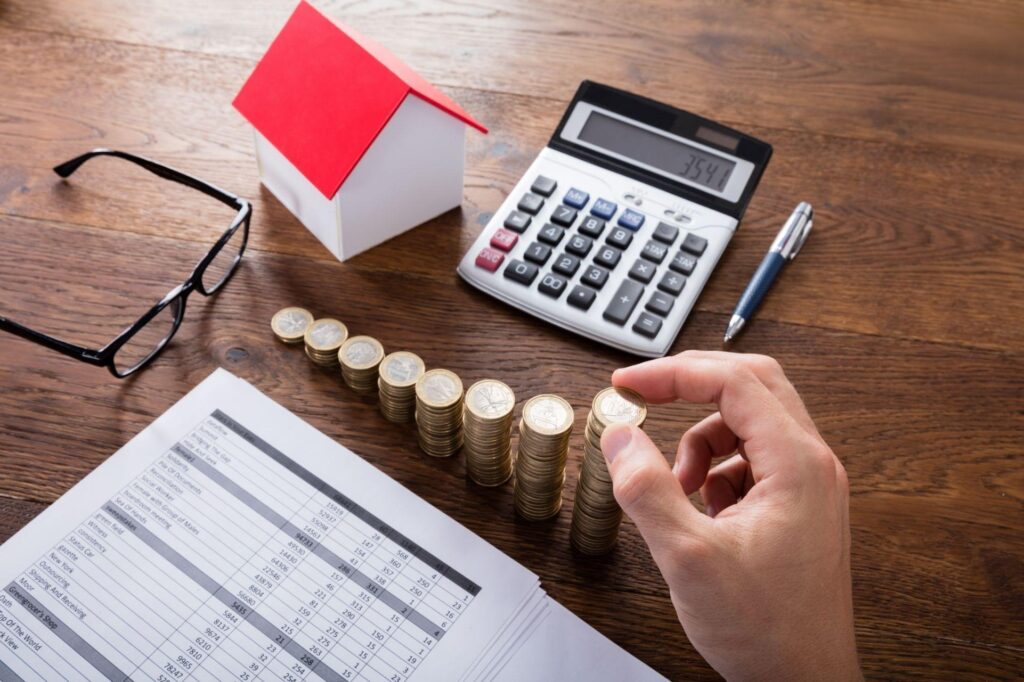
Property taxes are especially important when evaluating rental properties. Investors considering houses for rent in cincinnati ohio must account for taxes when calculating expected returns. Even a small difference in annual tax expenses can significantly affect cash flow over time.
Similarly, those searching for a house for rent cincinnati ohio may indirectly feel the impact of property taxes through rental pricing. Landlords often adjust rents to help offset operating expenses, including taxes and insurance.
For investors looking to rent a house cincinnati, understanding local tax structures can provide a competitive advantage when comparing neighborhoods and identifying profitable opportunities.
Common Property Tax Mistakes to Avoid
One of the most common mistakes buyers make is focusing exclusively on the purchase price while ignoring ongoing ownership costs. A property that appears affordable today may become far more expensive if taxes increase due to rising assessments.
Another frequent error involves failing to research local tax districts. Two homes located just a few miles apart can have dramatically different tax rates because they fall within different school districts or municipalities.
Many homeowners also overlook the possibility of appealing property assessments. If a property has been assessed above its true market value, owners may be entitled to a reduction in their tax bill. Reviewing assessment notices regularly can potentially save hundreds or even thousands of dollars over time.
Expert Advice for Buyers and Investors
Before purchasing any property, it is important to evaluate the full financial picture. Property taxes should always be included alongside mortgage payments, insurance costs, maintenance expenses, and potential homeowners association fees.
Researching historical tax trends can provide valuable insight into how costs may change in the future. Areas experiencing rapid growth often see rising property values and increased tax assessments. Buyers who plan ahead are generally better prepared for these changes.
Working with experienced real estate professionals can also make a significant difference. Local experts understand neighborhood specific tax considerations and can help buyers identify properties that align with both their financial goals and lifestyle needs.
Frequently Asked Questions
Which state has the highest property taxes?
New Jersey consistently ranks among the states with the highest effective property tax rates in the United States.
Which state has the lowest property taxes?
Hawaii generally has the lowest effective property tax rate nationwide.
Can property taxes increase every year?
Yes. Property taxes can rise due to higher property assessments, increased local budgets, or voter approved initiatives.
Are property taxes important for real estate investors?
Absolutely. Property taxes directly affect cash flow, profitability, and overall investment returns.
Is Ohio a good state for property investment?
Many investors consider Ohio attractive because of its affordable housing, steady demand, and relatively moderate property tax environment.
Conclusion
Property taxes are one of the most influential yet often overlooked aspects of real estate ownership. They affect affordability, investment returns, rental profitability, and long term financial planning. Understanding how taxes vary across different states allows buyers and investors to make more informed decisions and avoid costly surprises.
Whether you are comparing markets across the country, exploring opportunities in Columbus, or reviewing homes for sale in cincinnati ohio, taking the time to understand local property tax structures can provide a significant advantage. The most successful buyers are those who evaluate the complete cost of ownership rather than focusing solely on the purchase price.As you continue your real estate journey, remember that knowledge remains one of the most valuable investments you can make. Research carefully, work with experienced professionals, and approach every opportunity with a long term perspective. After all, the smartest investment strategy begins with a simple mindset: Invest in yourself. Invest with us.