Why Ohio Property Taxes Matter for Buyers and Investors with Prosper Capital
Understanding property taxes in Ohio is one of the most important steps in any real estate decision, especially for buyers and investors working with Prosper Capital. Property taxes directly affect affordability, monthly mortgage payments, and long-term investment returns. Whether you are exploring homes for sale in cincinnati ohio, analyzing rental income opportunities, or planning to build a real estate portfolio, Prosper Capital helps you understand how taxes influence your overall financial outcome.
Ohio is known for its relatively affordable housing market, but property taxes vary significantly by county, city, and school district. This means two similar homes in different locations can have very different annual tax bills. Prosper Capital emphasizes that understanding these differences is essential for making smart, profitable investment decisions.
How Ohio Property Taxes Work with Prosper Capital

Prosper Capital explains that Ohio property taxes are based on the assessed value of a property and the local tax rate, also known as the millage rate. County auditors assess property values every six years with updates every three years to reflect market conditions. Typically, only 35% of a property’s market value is used for taxation purposes.
For example, if a home is worth $250,000, its taxable assessed value is around $87,500. Local governments then apply tax rates based on the property’s location, school district, and municipal levies. Prosper Capital highlights that even small differences in tax rates can lead to significant annual cost variations, which is why location selection is so important in real estate investing.
Average Property Tax Rates in Ohio According to Prosper Capital
Prosper Capital research shows that Ohio’s average property tax rate ranges from about 1.3% to 1.6%, depending on the county. While this is higher than the national average, Ohio’s lower home prices help balance overall affordability.
In Franklin County (Columbus), rates are typically around 1.5%. In Hamilton County (Cincinnati), they are closer to 1.6%, while Cuyahoga County (Cleveland) can reach around 2.0%. Warren County often remains lower at approximately 1.3%. Prosper Capital uses this data to help investors compare markets and choose locations that align with their financial goals, whether that is cash flow, appreciation, or long-term stability.
| Location | Tax Rate | Average Home Price | Annual Tax Estimate |
| Columbus (Franklin) | ~1.5% | $250K–$400K | $3,750–$6,000 |
| Cincinnati (Hamilton) | ~1.6% | $200K–$350K | $3,200–$5,600 |
| Cleveland (Cuyahoga) | ~2.0% | $180K–$300K | $3,600–$6,000 |
| Warren County | ~1.3% | $300K–$500K | $3,900–$6,500 |
Real-World Impact of Property Taxes with Prosper Capital
Prosper Capital often explains property taxes through real-world examples to help investors understand their true financial impact. For instance, a $250,000 home in Cincinnati may have an annual property tax of around $4,000, which adds roughly $333 per month to total housing costs.
This additional cost significantly affects affordability and investment returns. For rental properties, Prosper Capital shows that taxes directly reduce net income unless rent is adjusted accordingly. If the same property generates $1,800 in monthly rent, property taxes alone can account for nearly 20% of gross rental income, making tax planning essential for investors.
Cincinnati Real Estate Market Insights with Prosper Capital

Cincinnati is one of Ohio’s most stable and attractive real estate markets, and Prosper Capital actively guides investors in this region. The city offers strong job growth, affordable housing, and consistent rental demand, making it ideal for both homeowners and investors.
Buyers searching for cincinnati homes for sale, homes for sale in cincinnati ohio, or houses for sale in cincinnati ohio should pay close attention to property taxes, which vary widely by neighborhood and school district. Prosper Capital highlights that two similar homes in different districts can have very different long-term costs.
For rental investors looking to rent a house cincinnati or invest in houses for rent in cincinnati ohio, Prosper Capital recommends carefully analyzing both rental demand and tax structure before making a purchase decision.
Columbus Real Estate Investment Potential with Prosper Capital
Prosper Capital considers Columbus one of the strongest real estate investment markets in the Midwest. The city continues to grow due to expanding job opportunities, population growth, and strong demand for housing.
Columbus offers a balanced investment environment with moderate property taxes and strong appreciation potential. While cash flow may sometimes be stronger in Cincinnati, Prosper Capital notes that Columbus often provides better long-term equity growth, making it ideal for buy-and-hold investors focused on wealth building.
Key Factors That Influence Property Taxes with Prosper Capital
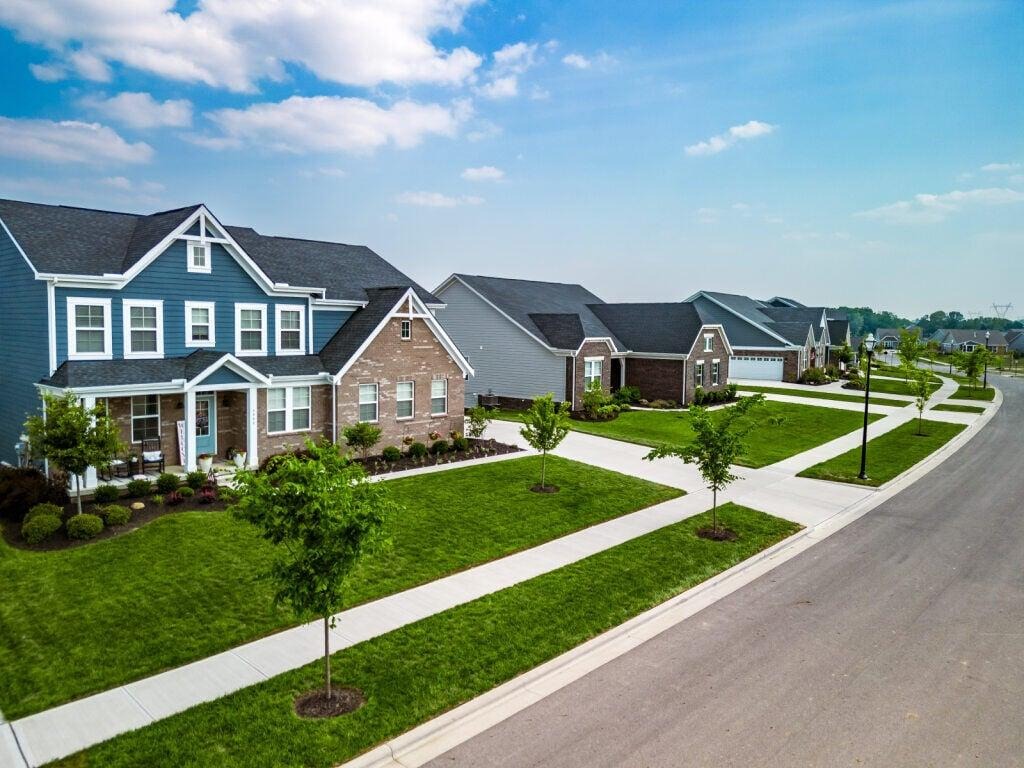
Prosper Capital identifies several key factors that influence property taxes in Ohio. School district funding is one of the biggest contributors, as voter-approved levies can increase tax rates. Property location also plays a major role, since tax rates vary between cities and neighborhoods.
Another important factor is property reassessment cycles, which can increase taxable value as market prices rise. Local infrastructure projects and public service funding can also impact tax rates over time. Prosper Capital emphasizes that understanding these factors helps investors anticipate future costs rather than react to them later.
Common Mistakes Investors Avoid with Prosper Capital
Prosper Capital helps investors avoid several common mistakes in real estate decision-making. One major mistake is ignoring property taxes when calculating affordability or investment returns. Another is failing to compare school districts, which can significantly change annual tax obligations.
Many investors also underestimate how taxes affect rental income, leading to inaccurate profit expectations. Prosper Capital stresses that ignoring reassessment cycles or future tax increases can reduce long-term returns. Proper planning ensures investors build sustainable and profitable portfolios.
Expert Investment Strategy from Prosper Capital
Prosper Capital recommends a complete investment analysis that includes purchase price, property taxes, rental income, maintenance costs, and long-term appreciation potential. Investors exploring rent a house cincinnati opportunities or expanding rental portfolios should always calculate net returns after taxes.
A strong strategy also includes planning for future changes in tax rates and property values. Prosper Capital encourages investors to focus on long-term stability rather than short-term gains, ensuring consistent performance even in changing market conditions.
Frequently Asked Questions (FAQ) with Prosper Capital
How are property taxes calculated in Ohio?
Prosper Capital explains that Ohio property taxes are calculated based on a property’s assessed value (usually 35% of market value) and the local millage rate set by counties, cities, and school districts. This combination determines the final annual tax bill, which can vary significantly even between nearby neighborhoods.
Are property taxes high in Ohio compared to other states?
According to Prosper Capital, Ohio property taxes are slightly above the national average. However, because home prices in Ohio are generally more affordable, the overall cost of ownership remains competitive for both homeowners and real estate investors.
Which Ohio cities have the highest and lowest property taxes?
Prosper Capital notes that cities like Cleveland (Cuyahoga County) often have higher tax rates, while suburban counties such as Warren County typically offer lower rates. Cincinnati and Columbus fall in the middle range, depending on the specific school district and neighborhood.
Do property taxes affect rental income in Ohio?
Yes. Prosper Capital highlights that property taxes directly impact rental profitability. Higher taxes reduce net cash flow unless offset by higher rent. This is especially important for investors evaluating houses for rent in cincinnati ohio or planning long-term rental strategies.
How often do property taxes increase in Ohio?
Prosper Capital explains that property taxes can increase during reassessment cycles, which typically occur every 3 to 6 years. Additionally, voter-approved levies and local funding changes can also raise taxes at any time.
Is Cincinnati a good market for real estate investment despite property taxes?
Yes. Prosper Capital considers Cincinnati a strong market due to its affordability, rental demand, and steady job growth. Even though property taxes vary by district, many investors still achieve strong cash flow and appreciation in the region.
What should investors consider before buying property in Ohio?
Prosper Capital recommends that investors evaluate total cost of ownership, including taxes, insurance, maintenance, and rental income. Ignoring property taxes can lead to inaccurate ROI calculations and lower-than-expected profits.
How can Prosper Capital help real estate investors in Ohio?
Prosper Capital provides market insights, investment analysis, and guidance on property selection to help buyers make informed decisions. The goal is to identify properties with strong long-term value and sustainable cash flow.
Does property location affect tax rates in Ohio?
Yes. Prosper Capital emphasizes that location is one of the biggest factors affecting property taxes. Even within the same city, different school districts and municipalities can have significantly different tax rates.
What is the most important takeaway about Ohio property taxes?
Prosper Capital believes the most important takeaway is that property taxes must always be included in investment planning. Understanding them helps buyers avoid surprises and build more profitable real estate portfolios.
Final Conclusion: Building Smarter Real Estate Decisions in Ohio with Prosper Capital
Ohio’s property tax system may seem complex at first, but once it is understood clearly, it becomes a powerful tool for making smarter real estate decisions. As Prosper Capital highlights throughout this guide, property taxes are not just an additional cost—they are a key factor that shapes affordability, rental income, and long-term investment performance.
Whether you are exploring cincinnati homes for sale, analyzing houses for sale in cincinnati ohio, or considering rental opportunities like houses for rent in cincinnati ohio, every decision should include a clear understanding of property taxes. Small differences in tax rates between cities, counties, and school districts can significantly change your monthly cash flow and overall return on investment.
For investors, the goal is not just to buy property, but to buy the right property in the right location with the right financial structure. Prosper Capital emphasizes that successful real estate investing comes from combining market knowledge, tax awareness, and long-term strategy—not guesswork.
Ohio continues to offer strong opportunities for both new and experienced investors, especially in growing markets like Cincinnati and Columbus. With proper planning and expert guidance, property taxes become not a burden, but a manageable and predictable part of a profitable investment strategy.
At Prosper Capital, the focus remains simple: helping you make informed, confident, and future-ready real estate decisions.
Invest in yourself. Invest with Prosper Capital.