Introduction
Getting started in real estate can feel overwhelming. You might be asking yourself where to begin, how much money you need, or whether investing in property is even the right move right now. The good news is that real estate has consistently remained one of the most reliable ways to build wealth, even for beginners.
The key is not just investing, but choosing the right strategy from the start.
Many first time investors make the mistake of jumping into the market without a clear plan. They hear about rental income or property appreciation, but do not fully understand how those returns are generated. That is why learning the best real estate investment strategies for beginners is essential before making your first move.
With the right approach, even a single property can become the foundation of long term financial growth.
Why Real Estate Is a Strong Investment for Beginners

Real estate offers several advantages that make it attractive for new investors.
Unlike stocks, property is a tangible asset that can generate income while increasing in value. According to long term market data, real estate has historically appreciated at an average rate of 3 percent to 5 percent annually, while also offering rental income opportunities.
For beginners, this means you can:
- Build equity over time
- Generate passive income
- Benefit from property appreciation
- Diversify your investment portfolio
Understanding these benefits helps new investors feel more confident when entering the market.
Best Real Estate Investment Strategies for Beginners
Choosing the right strategy depends on your budget, goals, and risk tolerance. Here are some of the most effective approaches for beginners.
1. Buy and Hold Rental Properties

The buy and hold strategy is one of the most popular and beginner friendly options.
This involves purchasing a property and renting it out to tenants for long term income. Over time, the property may also increase in value, creating additional profit.
Why it works:
- Provides consistent monthly cash flow
- Builds long term equity
- Benefits from property appreciation
Many successful investors start with a single rental property and expand their portfolio over time.
2. House Hacking
House hacking is a strategy where you live in one part of the property while renting out the rest.
For example, you might buy a duplex, live in one unit, and rent out the other.
Benefits:
- Reduces your living expenses
- Helps cover mortgage payments
- Allows you to start investing with lower risk
This strategy is especially popular among first time buyers who want to enter real estate with limited capital.
3. Real Estate Investment Trusts (REITs)
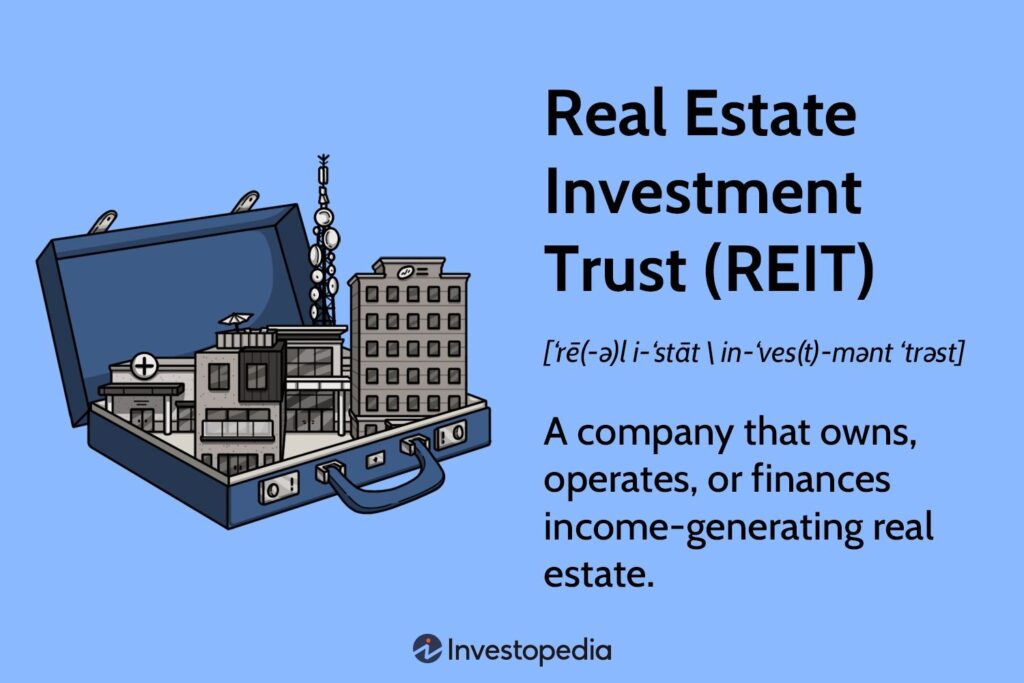
For beginners who are not ready to purchase physical property, REITs offer an alternative way to invest in real estate.
REITs allow investors to buy shares in real estate portfolios that generate income from properties such as apartments, offices, and shopping centers.
Advantages:
- Lower initial investment
- No property management required
- Easy to buy and sell
This strategy is ideal for those who want exposure to real estate without direct ownership.
4. Fix and Flip Properties
This strategy involves buying properties below market value, renovating them, and selling them for a profit.
While it can be profitable, it also carries higher risk compared to rental investing.
Key considerations:
- Requires renovation knowledge
- Involves higher upfront costs
- Dependent on market conditions
For beginners, it is often best to start small and work with experienced professionals when considering this approach.
5. Short Term Rentals
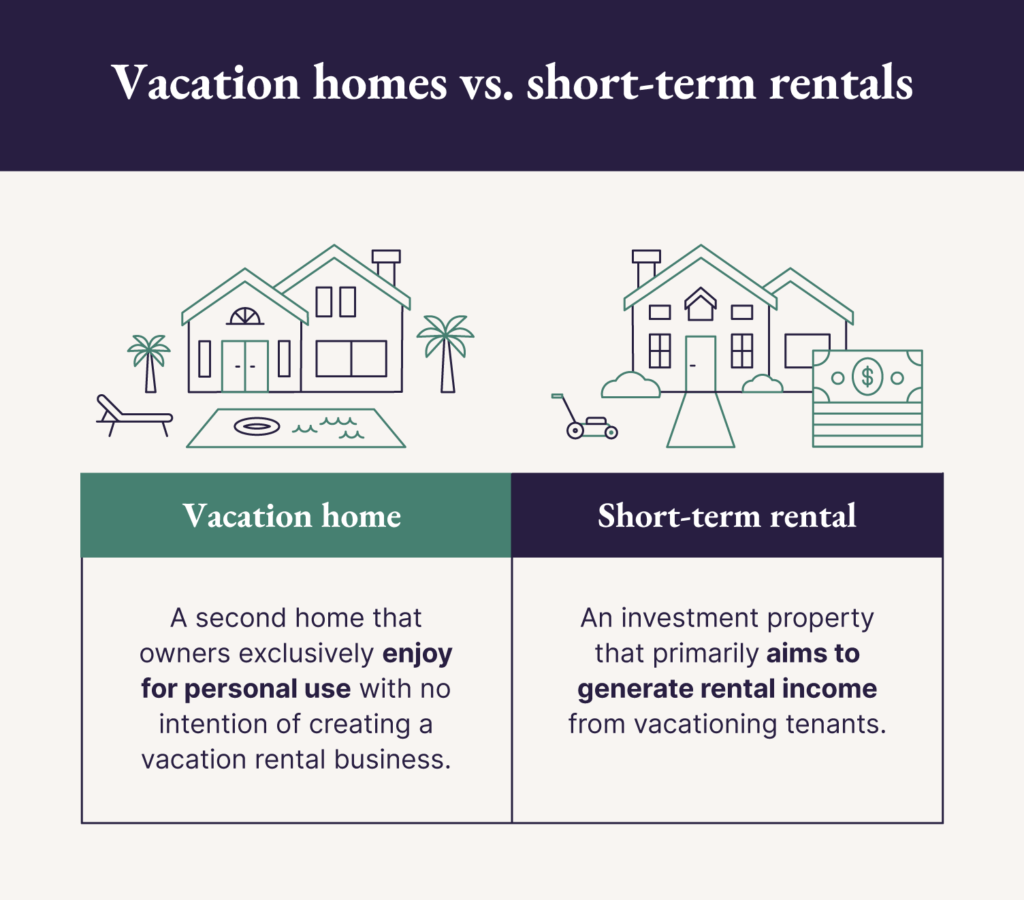
Short term rental platforms have created new opportunities for property investors.
Instead of long term tenants, you rent out your property to guests on a nightly or weekly basis.
Benefits:
- Higher income potential in some markets
- Flexibility in property usage
- Strong demand in tourist areas
However, this strategy requires active management and understanding of local regulations.
How to Choose the Right Strategy
Not every strategy works for every investor. Choosing the right one depends on your financial situation and goals.
Consider these factors:
- Your available budget
- Risk tolerance
- Time commitment
- Long term investment goals
For example, someone seeking passive income may prefer rental properties, while someone looking for quicker returns might explore flipping.
Working with experienced real estate professionals can help you evaluate these options and identify the best opportunities.
Expert Tips for Beginner Investors
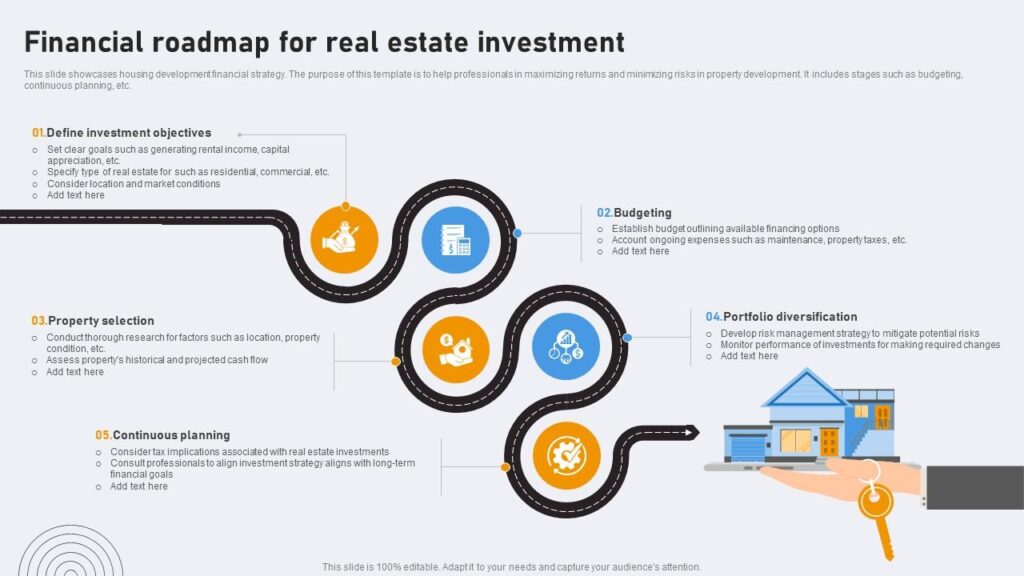
Starting your real estate journey with the right mindset can make a significant difference.
1. Start Small
You do not need multiple properties to begin. One well chosen property can be a strong foundation.
2. Focus on Location
Properties in growing areas tend to perform better over time.
3. Analyze the Numbers
Always calculate expected income, expenses, and potential returns before investing.
4. Build a Strong Network
Work with agents, lenders, and property managers who understand the market.
5. Think Long Term
Real estate is a long term investment. Patience often leads to better results.
Common Mistakes Beginners Should Avoid
Many new investors make avoidable mistakes that impact their returns.
Here are some of the most common ones:
- Investing without proper research
- Overestimating rental income
- Underestimating expenses and repairs
- Choosing the wrong location
- Taking on too much financial risk
Avoiding these mistakes can significantly improve your chances of success.
Why Professional Guidance Matters
Real estate investing involves multiple moving parts, from property selection to financial analysis and management.
Working with experienced professionals can help you:
- Identify profitable opportunities
- Understand local market trends
- Avoid costly mistakes
- Structure your investment strategy effectively
A knowledgeable team can guide you through the process and help you build a strong investment portfolio over time.
Conclusion
The best real estate investment strategies for beginners are those that align with your financial goals, risk tolerance, and long term vision.
Whether you choose rental properties, house hacking, REITs, or short term rentals, real estate offers powerful opportunities to build wealth and generate income.
The key is to start with a clear strategy, make informed decisions, and seek guidance when needed.
If you are ready to explore real estate opportunities, taking the first step today can set the foundation for long term financial success.