Is Cleveland Still a Smart City for Rental Property Investment?

The real estate market has changed dramatically over the last few years. Many investors who once focused only on large high growth cities are now looking for markets where affordability, rental demand, and long term stability still exist together. That shift is exactly why Cleveland has become one of the most discussed rental investment markets in the Midwest.
Cleveland offers something many expensive cities no longer can. Investors still have opportunities to purchase properties at relatively accessible prices while generating steady rental income. For buyers who feel priced out of other metro areas, Cleveland creates a realistic path into real estate investing without requiring an enormous upfront investment.
Many buyers who originally explored homes for sale in cincinnati ohio or searched for cincinnati homes for sale are now expanding their search into Cleveland because the numbers often make stronger financial sense.
The city continues attracting healthcare workers, students, young professionals, and long term renters. That consistent demand helps support occupancy rates and creates long term opportunities for landlords who invest carefully and strategically.
Understanding Why Cleveland Appeals to Investors

One of the biggest reasons investors are paying attention to Cleveland is affordability. Compared to national averages, Cleveland home prices remain relatively manageable. Investors can often purchase properties here for a fraction of what similar rental homes would cost in larger cities.
At the same time, rental demand remains healthy. Institutions like Cleveland Clinic and Case Western Reserve University continue bringing workers, researchers, students, and healthcare professionals into the city every year. Those populations need housing, and many prefer renting due to flexibility or short term relocation plans.
This balance between affordability and rental demand is what creates strong opportunities for investors focused on cash flow. In many markets today, high home prices make it difficult to generate positive monthly income. Cleveland still provides neighborhoods where monthly rent can realistically cover mortgage payments, maintenance costs, taxes, and leave room for profit.
That is why experienced investors increasingly view Cleveland as a practical long term market rather than a speculative one.
Cleveland Rental Market Statistics Investors Should Know
Real estate decisions should always be based on both emotion and numbers, but the numbers matter most.
Current market estimates for 2026 show that median property prices in Cleveland generally range between $165,000 and $220,000 depending on neighborhood and property condition. Average monthly rents often fall between $1,250 and $1,850, with stronger returns available in multifamily properties.
Gross rental yields in several Cleveland neighborhoods continue reaching between 8 percent and 12 percent, which remains attractive compared to many national markets. Vacancy rates also remain relatively stable, helping landlords maintain consistent income when properties are managed properly.
| Market Data | Cleveland Estimate 2026 |
| Median Home Price | $165,000 to $220,000 |
| Average Monthly Rent | $1,250 to $1,850 |
| Rental Yield | 8% to 12% |
| Vacancy Rate | Around 5% |
| Annual Appreciation | 4% to 6% |
These numbers help explain why investors who once focused only on houses for sale in cincinnati ohio are now looking more seriously at Cleveland investment properties.
Is Cleveland Better for Cash Flow or Appreciation?
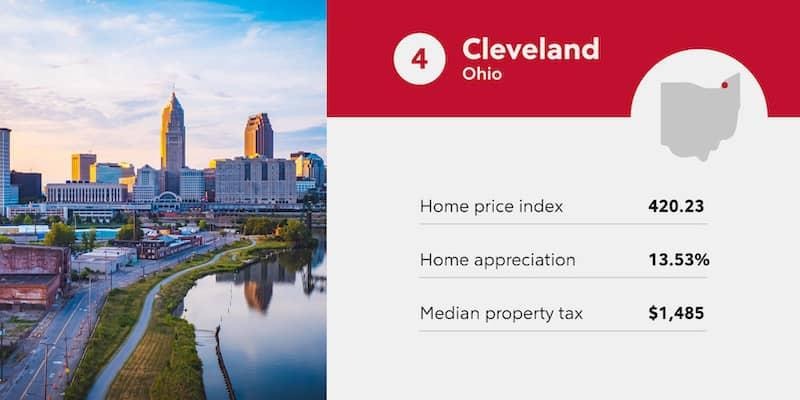
Cleveland is generally considered a cash flow market rather than a rapid appreciation market. That distinction is important because it shapes the way investors approach the city.
In expensive appreciation focused markets, investors often depend heavily on rising home values to build wealth. Cleveland works differently. Here, the focus is usually on generating reliable monthly rental income while still benefiting from gradual long term appreciation over time.
For example, an investor purchasing a duplex in Cleveland for $190,000 may produce stronger monthly returns than someone buying a much more expensive property in another state with lower rental yields.
This slower but steadier investment style appeals to buyers who prioritize financial consistency over speculation. It also reduces some of the risk associated with overheated housing markets.
Best Neighborhoods for Cleveland Rental Investments
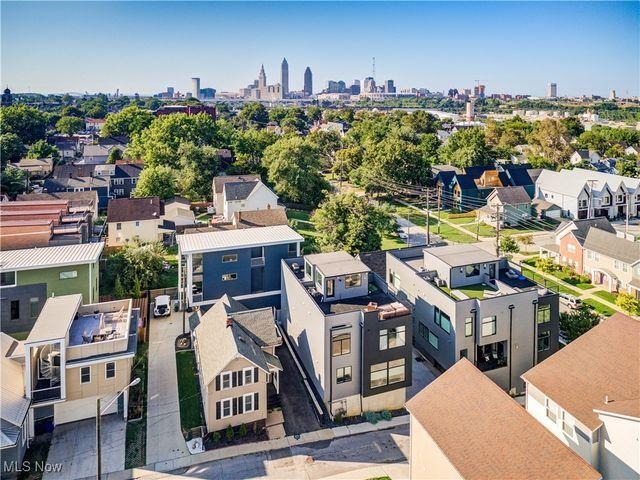
Neighborhood selection plays a massive role in rental property performance. Even within the same city, rental demand, tenant quality, appreciation potential, and property values can vary dramatically.
Ohio City continues attracting young professionals because of its restaurants, nightlife, walkability, and proximity to downtown. Investors often target multifamily properties here because rental demand remains strong throughout the year.
Tremont has also become highly desirable due to ongoing redevelopment and historic charm. Buyers willing to invest long term often see solid tenant demand and increasing neighborhood value.
Lakewood remains popular among investors seeking stable family oriented tenants and suburban appeal while still maintaining access to Cleveland employment centers.
University Circle offers consistent demand because of nearby educational institutions and healthcare facilities. Rental turnover tends to remain active due to the large student and medical workforce population.
Some investors also target Old Brooklyn because entry prices remain more affordable while still offering reasonable rental potential.
The True Cost of Owning Rental Property in Cleveland
Many first time investors focus only on purchase price and rental income projections. The reality is more complex.
Owning rental property involves ongoing operational costs that directly impact profitability. Mortgage payments are only part of the equation. Investors must also account for taxes, insurance, repairs, maintenance, vacancy periods, and possible property management expenses.
For example, a rental property generating $1,700 monthly may initially appear highly profitable. However, once maintenance reserves, insurance costs, and occasional repairs are factored in, the actual monthly cash flow becomes much more realistic.
This is where disciplined financial planning becomes critical. Experienced investors build reserve funds specifically for unexpected expenses because every property eventually requires maintenance.
That practical mindset separates successful long term investors from those who struggle after their first major repair bill.
Real World Investment Example

Imagine a buyer purchases a duplex in Cleveland for $210,000 with a standard investment loan. Each unit rents for approximately $1,050 monthly, creating total gross rental income of $2,100 every month.
After accounting for mortgage payments, taxes, insurance, maintenance reserves, and occasional vacancies, the property may still produce several hundred dollars in monthly positive cash flow.
Initially, that may not sound life changing. But over time, several things begin happening simultaneously. Rental income gradually increases, mortgage balances decrease, equity grows, and appreciation slowly improves the property’s value.
This is how many investors quietly build long term wealth through real estate ownership. The process is not about overnight success. It is about consistency, patience, and smart acquisition decisions.
Why Out of State Investors Are Watching Ohio Closely
Across the country, investors are searching for markets where affordability still exists. Many buyers from expensive states simply cannot generate strong rental returns in their local markets anymore.
As a result, Midwest cities like Cleveland and Cincinnati are receiving more investor attention than ever before.
Buyers searching for houses for rent in cincinnati ohio or researching a house for rent cincinnati ohio often discover that Cleveland offers similarly attractive rental demand with lower entry pricing in certain neighborhoods.
That combination creates opportunities for investors who want stronger monthly cash flow without entering overheated housing markets.
Common Mistakes Cleveland Investors Should Avoid
One of the biggest mistakes investors make is purchasing properties solely because they appear cheap. Extremely low priced homes can sometimes carry major repair costs, difficult tenant environments, or weak long term demand.
Another common mistake is underestimating maintenance expenses. Every rental property eventually needs repairs, whether it is plumbing, roofing, HVAC systems, or cosmetic updates between tenants.
Tenant screening mistakes can also become expensive quickly. Reliable tenants are often more valuable than maximizing rent at all costs.
Some investors also become emotionally attached to properties instead of analyzing numbers objectively. Smart investing requires discipline, research, and realistic expectations.
How to Analyze a Cleveland Rental Property Properly

A strong rental property analysis goes beyond asking whether a home looks attractive. Investors should evaluate rental income potential, neighborhood growth trends, repair costs, taxes, vacancy risks, and tenant demand before making decisions.
Properties near transportation routes, schools, hospitals, and employment centers generally perform more consistently because they attract stable tenant populations.
Cash flow calculations should also include realistic assumptions rather than optimistic projections. Conservative planning usually leads to stronger long term outcomes.
This is where experienced guidance becomes valuable. Investors who work with knowledgeable real estate professionals often avoid mistakes that could cost thousands later.
Cleveland vs Cincinnati for Rental Investments
Many investors compare Cleveland and Cincinnati before deciding where to buy.
Cincinnati often attracts investors looking for stronger appreciation potential and larger economic growth patterns. That continued interest explains why searches for rent a house cincinnati and cincinnati homes for sale remain highly competitive.
Cleveland, however, often provides stronger cash flow opportunities because purchase prices remain lower relative to rental income.
Neither city is automatically better for every investor. The right market depends on your investment goals, financial strategy, and risk tolerance.
Some investors even diversify across multiple Ohio markets to balance appreciation and income opportunities together.
The Long Term Outlook for Cleveland Real Estate
Cleveland’s long term outlook remains steady rather than explosive, and for many investors, that is actually a strength.
Markets driven entirely by hype often become unstable during economic shifts. Cleveland’s slower and more balanced growth creates a more predictable investment environment for buyers focused on sustainable returns.
Ongoing development projects, healthcare expansion, and infrastructure improvements continue supporting housing demand across several neighborhoods.
As affordability challenges continue increasing nationally, markets like Cleveland may become even more attractive for both renters and investors over the next decade.
Final Thoughts
Cleveland continues offering something increasingly difficult to find in modern real estate markets: attainable investment opportunities with realistic rental income potential.
For buyers willing to study neighborhoods carefully, evaluate numbers honestly, and think long term, the city presents strong opportunities for rental property ownership.
Whether you are purchasing your first duplex or expanding an existing portfolio, the most important step is approaching the market strategically rather than emotionally.
Take time to research neighborhoods, understand operating costs, and focus on sustainable growth instead of chasing unrealistic expectations. Most importantly, remember the mindset successful investors continue following: Invest in yourself. Invest with us.
If you are ready to explore Ohio investment opportunities further, visit Prosper Communities to discover properties, local insights, and guidance designed to help buyers and investors move forward with confidence.
Frequently Asked Questions
Is Cleveland a good place for rental property investment?
Yes. Cleveland remains attractive because of affordable home prices, strong rental demand, and competitive cash flow opportunities compared to many larger cities.
What are the best Cleveland neighborhoods for investors?
Ohio City, Tremont, Lakewood, University Circle, and Old Brooklyn continue attracting investor attention due to demand and long term growth potential.
Is Cleveland better for appreciation or cash flow?
Cleveland is generally considered stronger for cash flow investing while still offering gradual long term appreciation.
What is the average rent in Cleveland?
Most rental properties currently generate between $1,250 and $1,850 monthly depending on property size and neighborhood.
Should first time investors buy single family or multifamily homes?
Many first time investors prefer duplexes or small multifamily properties because they provide multiple income streams while remaining manageable.