If you are planning to buy a home, your credit score will influence your mortgage options, interest rates, and loan approval.
Buying a home is one of the biggest financial decisions most people will ever make. For many buyers, the dream of homeownership comes with excitement but also uncertainty. One of the most common questions people ask before starting the process is simple yet important: what credit score do you need to buy a house?
Many potential buyers assume they must have perfect credit before they can even think about applying for a mortgage. That belief often stops people from exploring real estate opportunities that might actually be within reach. The reality is far more encouraging. A wide range of credit scores can qualify for home financing, depending on the type of loan and the financial profile of the borrower.
Understanding how credit scores work and how lenders evaluate them can make the home buying process feel much less intimidating. Whether someone is purchasing their first property, moving into a larger home, or investing in real estate, knowing the credit requirements can help buyers prepare and move forward with confidence.
Understanding How Credit Scores Work
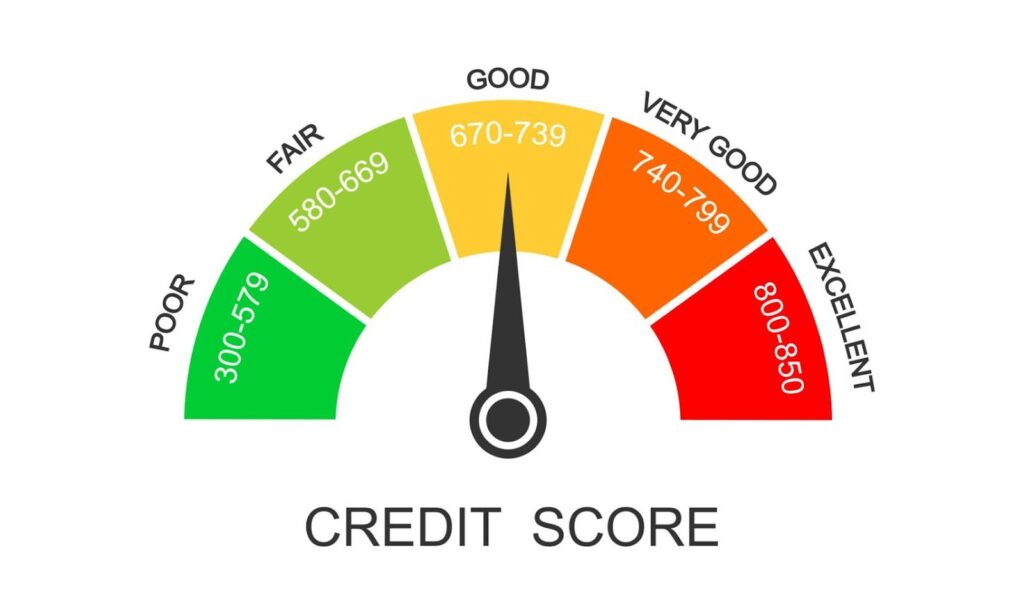
Before answering what credit score do you need to buy a house, it is important to understand what a credit score represents and why lenders care about it.
A credit score is essentially a numerical summary of a person’s credit history. It tells lenders how reliably someone has borrowed and repaid money in the past. Mortgage lenders rely heavily on credit scores when deciding whether to approve a home loan and what interest rate to offer.
Most lenders use the FICO scoring model, which ranges from 300 to 850. Higher scores indicate stronger creditworthiness and lower lending risk. Scores are generally grouped into categories that range from poor to excellent, and where someone falls within those categories can influence the type of mortgage options available to them.
Credit scores are calculated based on several factors such as payment history, credit utilization, credit history length, types of credit accounts, and recent credit inquiries.
What Credit Score Do You Need to Buy a House?

The minimum credit score required to buy a home varies depending on the mortgage program being used. Different loan types are designed to serve different groups of buyers, which means credit requirements can vary.
For conventional mortgages, which are the most common home loans and are not backed by the government, most lenders typically require a credit score of around 620 or higher. Borrowers with scores above this level generally have a stronger chance of qualifying and may receive better interest rates.
Government backed loan programs provide more flexibility. FHA loans, which are designed to help first time buyers and borrowers with moderate credit histories, allow buyers with credit scores as low as 580 to qualify for a mortgage with a small down payment. In some situations, borrowers with scores between 500 and 579 may still qualify if they can provide a larger down payment.
VA loans are available to eligible military service members and veterans and often accept scores near 620 depending on the lender. USDA loans for rural areas generally require scores around 640.
This means many buyers who believe their credit is not strong enough may actually qualify for a home loan.
How Credit Scores Affect Mortgage Rates
While the minimum credit score determines whether a borrower can qualify for a loan, the actual score plays an even bigger role in determining the mortgage interest rate.
Interest rates are one of the most important factors in the total cost of homeownership. Even a small difference in interest rates can translate into thousands of dollars over the life of a mortgage.
Borrowers with higher credit scores are considered less risky by lenders, which usually results in lower interest rates. Buyers with lower scores may still qualify for financing but often receive slightly higher interest rates.
For example, two buyers purchasing similar homes with identical loan amounts may end up paying very different monthly mortgage payments simply because of their credit scores.
Other Factors Lenders Consider
Although credit score is an important part of mortgage approval, lenders look at several other financial factors when evaluating a loan application.
One key factor is the borrower’s debt to income ratio, which measures how much of monthly income goes toward existing debts. Lenders typically prefer a lower ratio because it indicates the borrower has enough income to manage mortgage payments.
Employment stability is another important element. Most lenders prefer borrowers who have maintained steady employment for at least two years. Consistent income provides reassurance that mortgage payments can be maintained over time.
Down payment size and available savings also play a role. Larger down payments reduce the lender’s risk and can sometimes lead to better loan terms.
Improving Your Credit Before Buying a Home

Buyers researching what credit score do you need to buy a house often realize their score could use some improvement. Fortunately, credit scores can improve relatively quickly with consistent financial habits.
Paying bills on time is one of the most effective ways to improve credit. Payment history plays the largest role in determining a credit score, and consistent on time payments build strong credit behavior.
Reducing credit card balances can also help. Keeping credit utilization low signals responsible borrowing and may improve a score within a few months.
Avoiding new credit applications during the mortgage preparation period is another smart move. Opening new accounts can temporarily reduce a score and may raise concerns for lenders.
Checking credit reports for errors is also important because correcting inaccurate information can sometimes raise a score faster than expected.
Common Mistakes Home Buyers Should Avoid
Many home buyers unintentionally harm their mortgage eligibility during the purchasing process.
Some buyers check their credit only after they begin searching for homes. Reviewing credit earlier provides time to make improvements before applying for a mortgage.
Another mistake is making large financed purchases before closing on a home. Buying a car or expensive furniture during the mortgage approval process can increase debt levels and affect approval chances.
Closing long standing credit accounts can also reduce credit history length, which may negatively affect credit scores.
Being aware of these mistakes can make the home buying process smoother and less stressful.
Final Thoughts
So, what credit score do you need to buy a house? In most cases, a credit score of around 620 is enough to qualify for conventional mortgage loans, while FHA programs may allow scores starting around 580. Higher scores typically lead to better mortgage rates and more favorable loan terms, but many buyers with moderate credit scores still achieve homeownership.
The key is preparation. By understanding credit requirements, improving financial habits, and working with knowledgeable real estate professionals, many buyers discover that purchasing a home is more achievable than they originally believed.
If you are considering buying property or investing in real estate, speaking with experienced professionals and exploring available financing options can help turn your homeownership goals into reality.